

Bryophytes
Moss Lawn vs. Grass Lawn | When to use Moss instead of Grass?
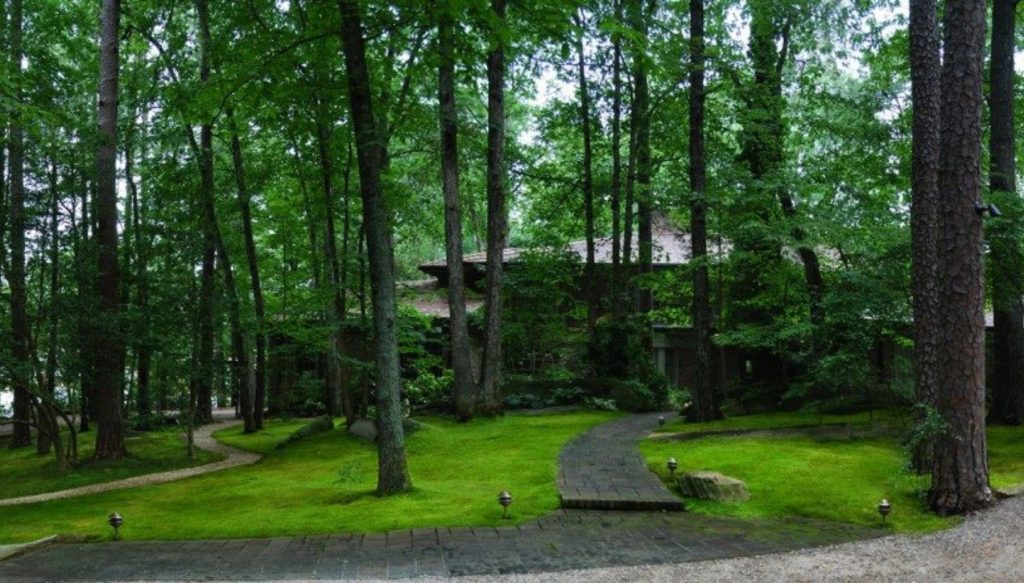
Grass lawns cover over 28 million acres in the USA alone. More and more homeowners are looking into low-maintenance alternatives such as moss lawns. This article compares both options so you can decide when it is better to use moss instead of grass. Below we explain the difference between these two different lawn types by comparing maintenance, time, costs, biodiversity, light conditions, soil conditions, erosion control, visual appeal, usage, water conservation, and groundwater contamination.
Deciding between them? The honest test is light. Under about four hours of direct sun a day, moss is the better answer on ground where grass keeps failing. Above it, the true sun species — full sun moss (Racomitrium), Bryum and star moss — still compete, and if grass genuinely fits better, we will tell you so. Thirty minutes with a moss specialist settles it before you spend anything.
| Factor | Grass lawn | Moss lawn | Better choice |
|---|---|---|---|
| Maintenance | 150 hours a year: mowing, feeding, weeding | No mowing, no feeding | Moss |
| Up-front cost | Low. Seed and prep | Higher. Moss is cut to order | Grass |
| Long-term cost | Ongoing: fuel, fertilizer, water | Close to nothing once established | Moss |
| Biodiversity | A monoculture, mown and disturbed | Stable habitat for insects and small life | Moss |
| Full sun | Thrives | Thrives with the sun species: full sun moss (Racomitrium), Bryum and star moss | Depends |
| Deep shade | Patchy and struggling | Thrives | Moss |
| Soil | Wants nutrient-rich, needs amending | Happy on poor, compacted, rocky or acidic ground — no amending | Moss |
| Erosion, sunny slope | Knitted root system holds it | Haircap or full sun moss holds it | Depends |
| Erosion, shaded slope | Fails | Holds rocky, nutrient-poor ground | Moss |
| Heavy foot traffic | Handles it | Moderate only; use stepping stones | Grass |
| Water | 1 to 2 inches a week; 30-60% of urban use | Only while establishing | Moss |
| Chemicals | Fertilizer, pesticide, herbicide | None needed | Moss |
Decided on moss? The complete moss lawn guide covers planting, care, cost and the sites where it will not work.
1. Maintenance & Time
If moss is the right answer for your site, live sheet moss and carpet moss are where most lawn conversions start.
The time and effort spent on a grass lawn are substantial because the average household spends 150 hours annually (!) on maintenance tasks such as mowing, fertilizing, and weeding.
On the other hand, a moss lawn doesn’t need to be mowed, fertilized, or treated with pesticides. This may be the biggest benefit of a moss yard because what is more valuable than your free time? By freeing up their time, homeowners can spend their time outside enjoying their garden instead of maintaining it. Regarding maintenance, a moss lawn is a smarter choice due to its low/no maintenance.
2. Costs
The initial costs for a grass lawn are usually meager. The area needs to be prepared, grass seed needs to be bought and sowed and there will be some expenses for watering the area.
The main expenses are the long-term maintenance because a grass yard needs to be mowed, and fertilized and sometimes pesticides are necessary. This makes it more expensive than a moss yard over a long period but it is cheaper for the short term due to the low initial costs. And lastly, don’t forget that time spent mowing a lawn, can’t be used to work.
A moss yard on the other hand requires a higher initial investment. The main expense is the moss itself, and the rate falls steeply with area: 11.95 dollars a square foot for a small order of sheet, carpet or fern moss, about 9.20 at 25 square feet, 4.60 at 100 and 4.00 at a thousand. After planting, the moss won’t require much maintenance anymore once it is established. No mowing is required, fertilizers are not necessary and pesticides are also not necessary and will damage the moss. The initial investment of a moss lawn can be offset in the long term reducing ongoing maintenance costs and is the smartest financial option for the long term.
-
Product on sale
 Carpet Moss – Landscaping Grade | Shaded Grass AlternativePrice range: $13.95 through $2,899.00
-
Product on saleSheet Moss – Landscaping Grade | Shaded Lawn GroundcoverPrice range: $13.95 through $2,899.00


3. Biodiversity & Habitat
Traditional grass lawns offer little support for biodiversity because they are monocultures and can barely support any habitat. No microenvironments are possible because it is constantly mowed and fauna is constantly disturbed.
Moss gardens, on the other hand, offer a stable habitat for insects of small amphibians where they can hide and feed. Birds love moss because they can use it as nesting material. Not only small wildlife benefits but plants and the wider ecosystem do as well. A moss lawn often results in more butterflies, and birds and generally in a more active habitat for small wildlife.

Moss has water-retaining abilities and can absorb large quantities of water during rainy periods. In turn, it will slowly release water vapor into their environment which benefits other plants and trees. Read more about the ecological role of moss here.
4. Light Conditions
A main advantage of grass is that it can grow in sunny areas. This makes it a suitable choice for most gardens. But if you have a shady garden, grass will struggle to grow and can result in patchy and unhealthy lawns.
Moss on the other hand thrives in shady areas. Some sun-tolerant mosses can be used for gardens but most prefer partial to full shade. The number that decides it is roughly four hours of direct sun a day. Below that, sheet and carpet moss will hold and a moss lawn works. Above it you are down to two species, Bryum and Full Sun Moss, and neither gives the even carpet most people picture. Watch the spot across a whole day and judge it at its brightest hour, and under deciduous trees check what it gets in spring before the leaves come.
5. Soil Conditions
Grass thrives in nutrient-rich soils. This is why grass lawns often need soil amendments and continuous fertilization to keep the grass healthy. But grass should be considered the best choice when you have a garden with nutrient-rich soil.
A moss lawn is a good choice for gardens with poor and rocky soil. Moss prefers nutrient-poor soil grows well on all kinds of substrates and doesn’t need any nutrient supplements. Therefore, moss is a great choice when you have a garden with challenging soil conditions because no extensive soil preparation or ongoing amendments are needed.
6. Erosion Control
Some homeowners have problems with erosion which can be solved with both grass or moss. If the area is sunny, and the soil is nutrient-rich, a grass lawn can create a knitted root system that holds the soil together.
A moss garden should be considered if the area is rocky, nutrient-poor, and shaded. Mosses such as Sheet moss or Carpet moss can cover the area and prevent flooding and erosion with a closed-knitted carpet of moss. Not only does it keep the soil in place, but also the water by absorbing large quantities with their sponge-like abilities. This natural ability of moss to stabilize soil and manage water makes it a valuable tool for erosion control and flood prevention.
7. Visual Appeal
A moss yard is visually appealing because it creates a sense of tranquility. The serene, fairly like look and feel due to the soft and velvety texture of moss can be a reason why someone chooses moss over grass. Especially in shady areas where grass struggles to grow. The alternative is a patchy grass garden with a lot of exposed soil. But in the end, this is a personal preference. Some prefer the aesthetics of grass and some prefer moss.
Tip: We have live moss for sale.
8. Usage
Grass lawns are known for their resistance to handling heavy foot traffic. Moss on the other hand can handle moderate foot traffic and stepping stones are recommended for heavily used pathways to protect the moss.
Some moss species (especially mosses of the genus Hypnum) are a good alternative for grass because they tolerate foot traffic well. You can similarly use a moss lawn to their grass counterpart but heavy usage should be prevented. Keep in mind how you want to use your garden before you choose between moss and grass.
9. Water Conservation
Grass needs a lot of water, especially during the hot summer months. On average, grass lawns need 1-2 inches of water per week to maintain lush. This results in significant water usage in urban areas and results in 30-60% of water consumption.

A moss lawn only needs watering during the establishment phase. If the garden is exposed to direct sunlight, it may need some watering during summer but in general, rainwater is sufficient. If watering is necessary, a light misting is sufficient and much less water is needed than a traditional grass lawn.
10. Chemical Use and Groundwater Contamination
Moss is (almost) always pest-free and it prefers nutrient-poor soil. Therefore, no fertilizers, pesticides, or herbicides are needed. Grass lawns do need to be fertilized, and pesticides are needed when pests occur. The chemicals in these products can contaminate the groundwater and ultimately are a threat to the local ecosystem and even to human health.
11. Conclusion
Moss lawns are a sustainable, low-maintenance, and visually pleasing alternative to grass lawns. The initial costs may be higher but the long-term costs are lower due to their low maintenance.
A grass garden is the best choice for sunny areas and heavy-used areas if pathways with stepping stones are not an option.
Moss also increases biodiversity, it lowers the usage of chemicals and water. It can prevent erosion and it creates a beautiful serene place that supports environmental health and a place of tranquility.
Related reading: Turf Infestation
Pending review by Olivia Milner, practitioner-scientist with a background in sustainability and education.