

blog
What are the Benefits of a Moss Lawn?
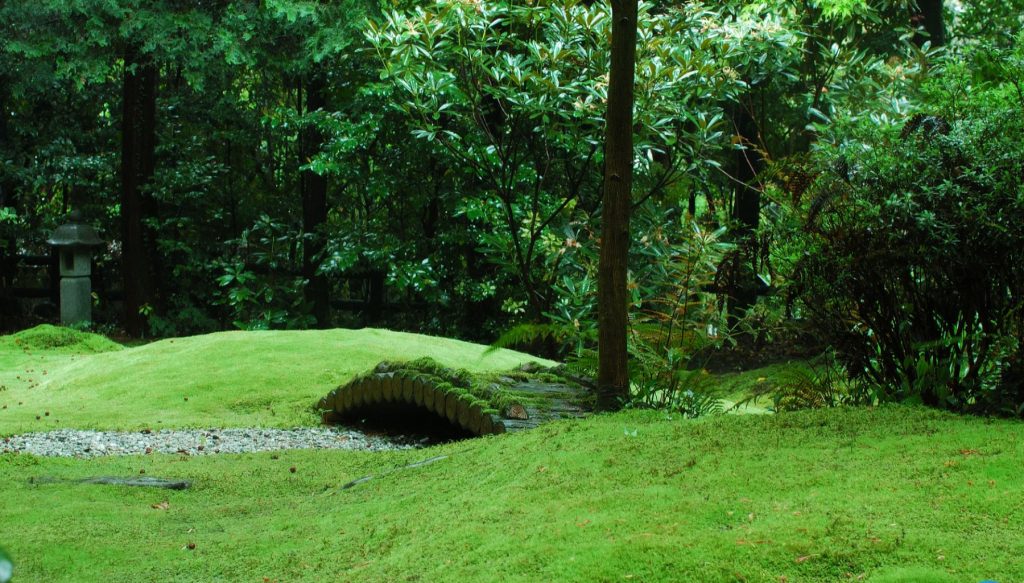
Moss lawns (also called moss yards or moss gardens) are becoming more and more popular as alternatives to grass lawns not only because of their aesthetics but also for their ecological, environmental, and practical benefits. A moss garden does not need to be mowed, fertilized, or doesn’t need much water because of the water-retaining abilities of moss plants.
The benefits only arrive if the site suits it. Under about four hours of direct sun a day, sheet and carpet moss hold and everything on this list follows. Above that, moss is the wrong answer and we will tell you so. Six species suit lawn work, from 11.95 a square foot falling to about 4.00 at a thousand.
Convinced? The complete moss lawn guide covers what it costs, how long it takes and where moss will not work.
1. Practical Benefits
Ready to plant one? Live sheet moss and carpet moss are the two species most used for shaded lawns.
There are several practical benefits of having a moss garden. It has a very unique aesthetic appeal, it is cost-effective over the long term, moss can cover areas where grass doesn’t grow, and it’s very low maintenance.
1.1 Aesthetic Appeal
One of the first reasons why people consider moss yards is due to their unique aesthetic appeal. There is nothing like the fairy-tale-like landscape appearance of a mossy garden. It stays green and lush all year round and it grows in shady areas where grass can’t grow. Muddy and shaded lawn areas can turn into peaceful and beautiful landscapes.
1.2 Cost-effectiveness
Another practical benefit is the cost-effectiveness of moss lawns. Even though the initial costs of establishing a moss lawn are higher than a grass lawn, the long-term maintenance costs are much lower. Time and money spent on mowing and maintaining a grass lawn balances out the initial investment and saves money and time in the long term.
1.3 Growing Conditions
Another massive benefit is the ability of moss to thrive in conditions where grass can’t grow as mentioned before. Moss can grow in shaded areas, on steep slopes, and in poor soil conditions. It thrives on rocky or compact soil where not much else can grow. Homeowners who are dealing with difficult grass lawns, often choose moss as an alternative because it offers a solution for their problem.

1.4 Low Maintenance
The low maintenance of a moss garden is also a great benefit. The moss needs to be installed and some preparation needs to be done to ensure the area is moist but well-drained. But once the moss is in place, and it has spread out and covered the area with a closed carpet, not much maintenance is needed. It does require some care because the debris needs to be removed occasionally, it may need some watering during hot summer months but it won’t need to be mowed, and no fertilizers or pesticides are needed.
2. Ecological Benefits
Moss lawns also have some ecological benefits because they create habitats, increase biodiversity, improve the quality of the air, and capture carbon.
2.1 Habitat Creation & Increase Biodiversity
Moss is used by insects such as spiders, ants, mites, fireflies, and worms as a place to hide and live. Because these insects use a moss lawn as their habitat, they, in turn, attract animals (e.g. birds, amphibians, or reptiles) who feed on them.
Birds also use moss to line their nests. Moss also releases water vapor in the air because it soaks up water during wet periods and nearby plants and trees benefit from this.

2.2 Air Quality Improvement
Mosses are also known as bioindicators because they reflect the quality of the air in the environment. It is particularly sensitive to pollutants such as carbon monoxide, sulfur dioxide, CFCs (Chlorofluorocarbons), and nitrogen oxides. Therefore, a moss lawn can capture pollutants and clean the air around your house.
2.3 Carbon Sequestration
Another ecological benefit is its ability to capture carbon dioxide from the atmosphere and store it in plant tissue. At the same time, a moss garden ‘collects’ dead organic matter which turns into fertile soil. That in turn paves the way for plants and trees to grow in areas where it wasn’t possible before. Since mowing is not necessary with a moss lawn, a lawn mower becomes obsolete as well. By opting out of a lawn mower, homeowners reduce their carbon footprint as well.
3. Environmental and Conservation Benefits
A moss lawn is very effective in retaining water because it soaks it up like a sponge. Pleurocarpous mosses grow outwards and cover soil as a carpet. This keeps the soil in place and prevents water runoff and erosion.
3.1 Water Retention
As mentioned before, moss plants can soak up a lot of water. Therefore, a moss yard can act like a massive ‘sponge’ by absorbing water during rainy periods. This water is slowly released into the air and the soil. Nearby plants and trees benefit because the soil moisture levels remain stable during dry periods. It also enables the water to flow more easily into the soil because it prevents runoffs when there is a lot of rain.
3.2 Erosion Control
Pleurocarpous mosses such as carpet moss or sheet moss, both of the genus Hypnum ( we have sheet moss for sale here ) cover the soil and stabilize it because the rhizoids (root-like structures) anchor themselves and keep everything in place. Traditional grass lawns do the same because the roots keep the soil in place. But some gardens have too much shade for grass or the soil is too poor for the grass to grow. This often results in gardens with water runoff and a lot of erosion. These ‘carpets of moss’ prevent soil erosion by covering areas, and keeping the soil surface stable by protecting it from wind and rain.4. Health and Safety Benefits
There are also some health and safety benefits of a moss lawn. It doesn’t need fertilizers or pesticides and no noisy grass mowers are needed.
4.1 Chemical-Free Environment
Anyone with a grass lawn knows it requires pesticides or fertilizers now and then. Moss lawns do not require any chemicals because moss thrives on nutrient-poor soils and pests occur very rarely. The use of chemicals on moss is not recommended because it will kill the plants. This reduction of chemical uses makes it a very safe place for children, pets, and wildlife. It also prevents chemicals from leaching into the groundwater and into natural waterbodies in the area which will harm the local ecosystem.

4.2 Noise Reduction
Who doesn’t hate the sound of a lawn mower on a peaceful weekend day? These machines are not only polluting the air but also the peace. This makes it a place of peace because mowing is not necessary. After all, you want a garden to enjoy the outdoor space, and who wants to be disturbed by noisy machines?
5. Considerations
One thing to consider honestly: moss wants shade. Roughly four hours of direct sun a day is the ceiling, not six. Above four hours sheet and carpet moss start to fail, and you are down to Bryum or Full Sun Moss, neither of which gives the even carpet most people picture. Judge the spot at its brightest hour. In those cases, a sun-loving no-mow alternative like red creeping thyme (sold by our sister brand Competitive Lawn) is a better option, or use both to cover the full yard.
6. Conclusion
The list of benefits for a moss lawn is extensive, and it makes one wonder why grass is still popular and not everyone has moss (or creeping thyme) in their front or back yard. It is aesthetically pleasing and cost-effective, it grows where grass can’t grow, and it is very low in maintenance.
But there are also ecological benefits because it increases biodiversity, improves the quality of the air, and stores CO2. It also retains water in a local ecosystem, prevents erosion, reduces the need for chemicals, and no noisy lawn mowers are needed anymore.
Pending review by Olivia Milner, practitioner-scientist with a background in sustainability and education.