

blog
The Role of Moss Plants in Nature Explained

Moss plants play a crucial role in nature and this article aims to educate about the role they play in ecology, and how they contribute to ecosystems, we will cover the different kinds of ecosystems they thrive in, how they act as bioindicators, conservation and threats and the last chapter will explain how you can sustainably engage with moss plants.
Where your moss comes from matters, and you can ask. One species we sell, Full Sun Moss, is cultivated. Everything else is responsibly sourced from managed private sites with the landowner’s permission, or rescued ahead of scheduled land clearing. No pesticides and no herbicides on any of it.
See live moss by the square foot · will moss grow on my site?
1. The Ecological Roles of Moss
Mosses play a fundamental role in ecosystems where they play an important role in water regulation and soil formation. These plants increase biodiversity and act as a pioneering species. This chapter will explain the ecological role mosses play in ecosystems around the world.
1.1 Water Regulation and Soil Formation
Moss plants are crucial for water management in ecosystems. They absorb and store significant amounts of water with their sponge-like structures and they release it gradually back into the environment. This regulates moisture levels and provides water for nearby plants during periods of drought.
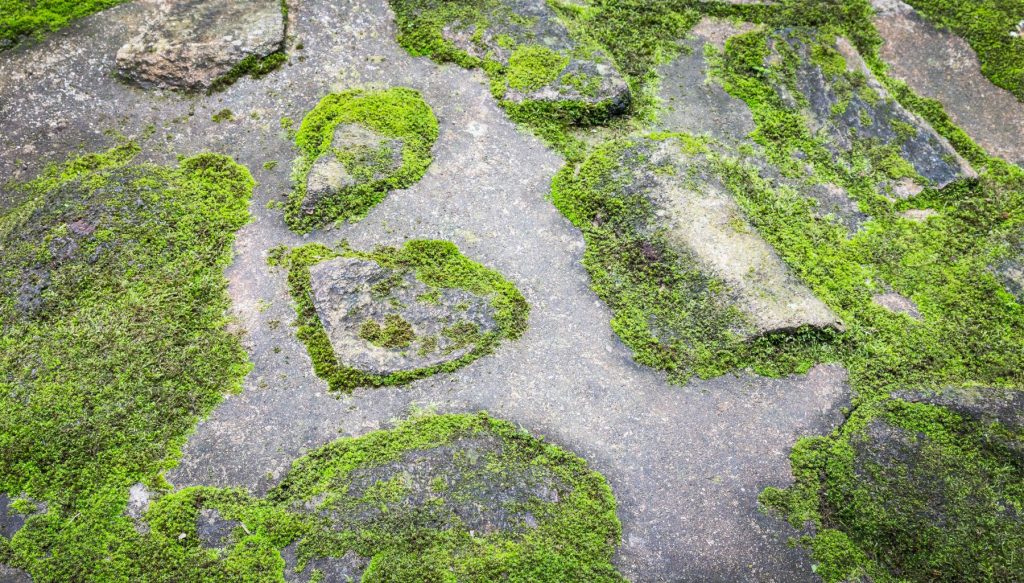
They are also important for the formation of soil. Moss plants can grow over bare rocks and logs and trap biomass such as dust, leaves, or other debris which decomposes over time and turns into nutrient-rich soil. As pioneering species, they go where other plants can not go and pave the way for other plants to follow.
1.2 Biodiversity Support
Mosses are also important for the biodiversity of habitats because they can act as shaded microhabitats and offer a place of shelter or act as a food source for small invertebrates and microfauna. This attracts in turn other animals that feed on these insects or small mammals such as mice which increases the biodiversity as well. Moss is also used as nesting material by birds and can live in symbiotic relationships with fungi and bacteria which also benefits the plants and animals around them.
1.3 Pioneer Species
As we mentioned before, mosses are pioneering species. This means that they are the first plants to cover harsh and barren environments. They colonize rocks, logs, or disturbed areas create soil and moisture, and improve the conditions for vascular plants so they can follow.
They transform lifeless landscapes into vibrant ecosystems and create life in places where life was not possible before.
2. Moss and Ecosystem Services
The contribution of mosses to ecosystems doesn’t stop with their impact on biodiversity, water regulation, soil formation, and their role as pioneering species as explained in the previous chapter. They also improve air quality, regulate the climate, filter water, and prevent erosion. This chapter will explain how mosses serve the ecosystem.
2.1 Air Quality and Climate Regulation
The quality of the air is purified by their ability to absorb pollutants from the air which makes them natural purifiers. This can significantly improve the air quality of urban areas with high levels of pollution. They also benefit the climate by sequestering carbon dioxide with photosynthesis in the same way as vascular plants. They might not have the same impact as a forest but the cumulative impact of mosses around the world lowers the levels of greenhouse gasses in our atmosphere.
2.2 Water Filtration and Purification
By absorbing nutrients and pollutants from the water, they also serve as natural water filters (especially aquatic moss species). This is vital for aquatic habitats and it improves the health of waterways by removing pollutants. These plants are important for the fragile ecological balance of these environments.
2.3 Soil Erosion Prevention
Mosses are also important for the stabilizing of soil by preventing erosion. A lot of fertile land can be lost when erosion occurs. Pleurocarpous mosses grow in dense mats and keep the soil together with their rhizoids. This is important for natural habitats but it is also beneficial for gardens that suffer from erosion.
3. Moss in Various Ecosystems
You can find mosses all around the globe and they can flourish in a wide range of ecosystems from forests to moss gardens or you can find them in aquatic habitats. This chapter will cover the different ecosystems where you can find them.
3.1 Forest Ecosystems
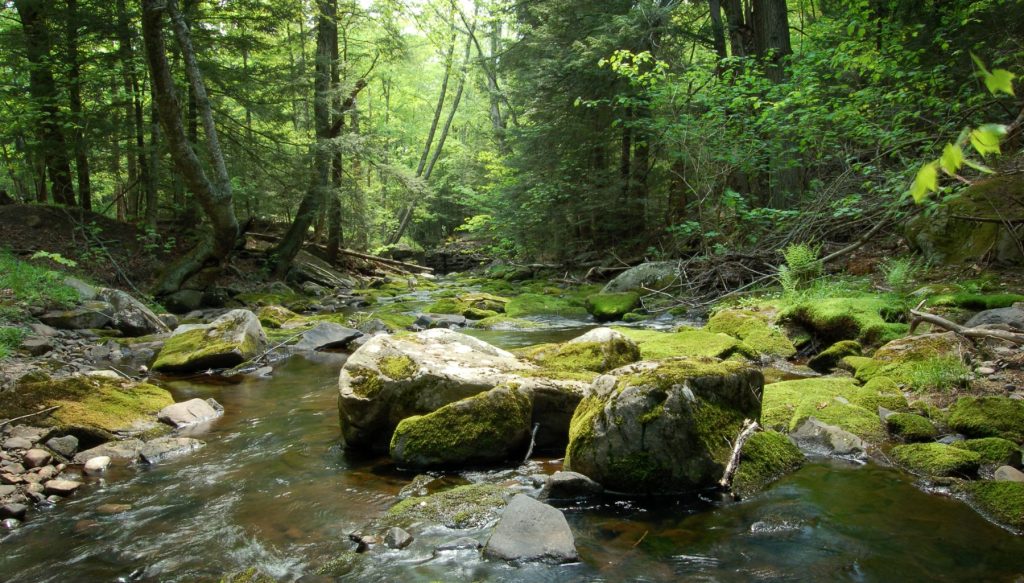
Forest ecosystems benefit from moss because it carpets the floor, tree bases and logs, holds moisture, moderates temperature and shelters small organisms. They also break down debris and recycle its nutrients into soil, which supports larger plants and trees. All these ecological functions are vital for the health and biodiversity of forest ecosystems.
3.2 Urban Ecosystems
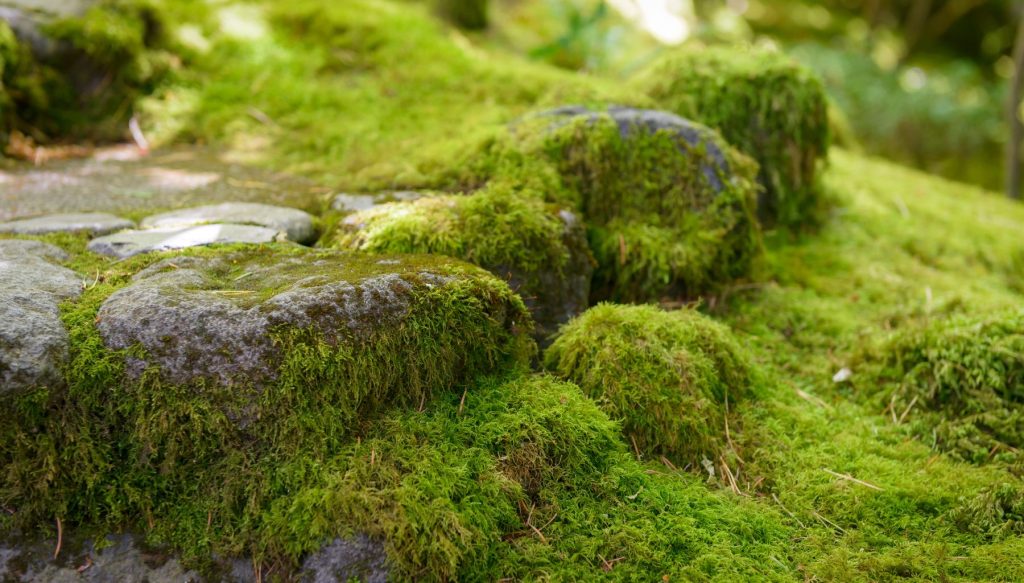
You can find mosses in urban ecosystems where they grow on roofs, walls, in pavement cracks, and moss plants can be used in garden designs. Urban moss gardens are appreciated for their aesthetics but also improve the air quality and biodiversity of cityscapes. They act as bioindicators by showing the health of local environments, they break down pollutants and improve the overall environmental and ecological health of urban ecosystems.
3.3 Aquatic Ecosystems
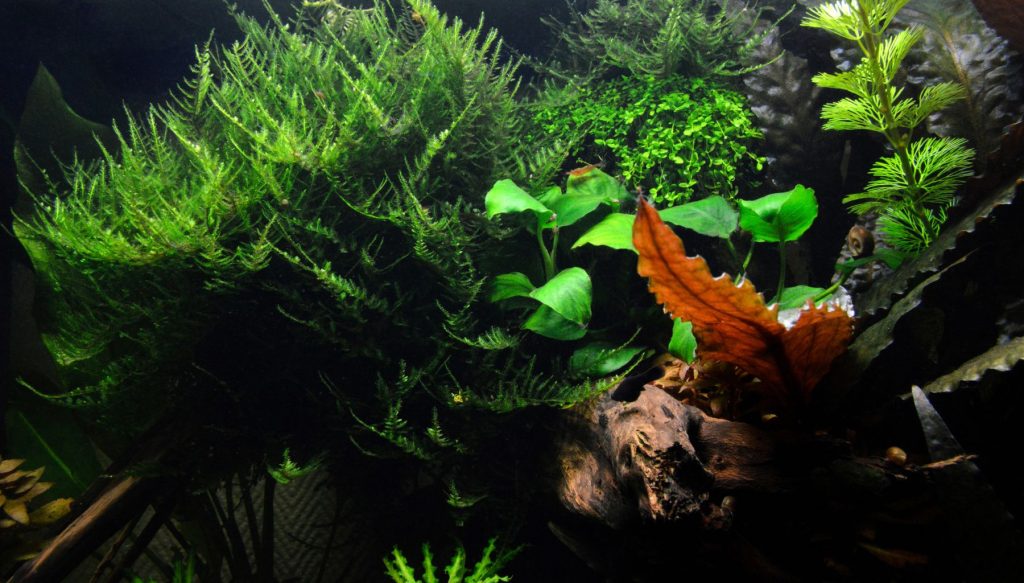
Aquatic mosses live in freshwater environments where they play a similar role as they do in urban landscapes and forests. They create dense mats which keep substrates in place and filter and oxygenate the water. By absorbing pollutants, trapping sediments, and filtering the water, they improve the quality of the water and improve the habitats of fish, amphibians, and invertebrates.
4. Moss as a Bioindicator
We already mentioned before that mosses act as indicators. This chapter explains the role mosses play in monitoring the health of an environment, how they appear in climate change research, and the implications this has for conservation and policymaking.
4.1 Monitoring Environmental Health
Mosses are known to respond quickly to changes in the environment by responding to changes in the quality of air or water. They can absorb pollutants and heavy metals through their leaves (from the water they absorb) and this can be used by researchers to monitor the health of an environment (also called biomonitoring). Some studies have used mosses to map air pollution levels, but also to identify sources of contamination or to inform strategies for the protection of environments.
4.2 Moss in Climate Change Research
They are not only important for biomonitoring but mosses are also used for climate change research. For example, scientists can use the growth patterns in peat bogs to reconstruct past environments. This historical climate data can help scientists understand climate variations. Because mosses respond to climate change by shifting their distribution and phenology, they can also provide data on the impact of global warming on ecosystems.
5. Conservation and Threats
Even though mosses play a fundamental role in ecosystems worldwide, some are under threat of habitat destruction. This chapter will cover the threats to their habitats and the efforts to conserve them.
5.1 Threats to Moss Habitats
As with many plants and animals, moss habitats are being destroyed due to human activities or environmental changes. Habitat destruction of mosses occurs through deforestation, urban development, or by agriculture.
Pollution is also a threat to the existence of many moss species because it reduces their ability to function and reproduce. Increasing global temperatures alter the moisture levels and the rising temperatures destroy habitats where moss could flourish in the past. The life cycle of mosses can be disturbed when the changing conditions become unfavorable for sexual reproduction.
5.2 Moss Conservation Efforts
Conservation efforts to protect certain moss species (e.g. Sphagnum moss in the U.K.) are important for global biodiversity. These initiatives aim to protect moss species and their habitats and shield them from development, pollution, and habitat destruction.
An example of an effective conservation initiative is the International Union for Conservation of Nature (IUCN) Global Species Programme who work on a knowledge base on the status and threats of species to advise conservation policies and catalyze action.
6. Engaging with Moss
Engaging with moss in nature should be done with care. This chapter will explain how you can observe and study mosses and how you can contribute to the conservation of moss.
6.1 Observing Moss in Nature
A lot of people appreciate moss.One of my favorite online groups is the Moss Appreciation Society on Facebook. This group is full of people who love to explore and observe moss in nature and they share pictures of beautiful mosses in different habitats, of different colors or forms. You can observe moss with a camera or a magnifying glass but make sure that you do not disturb their habitats.
6.2 Contributing to Moss Conservation
Contributing to moss conservation efforts can be a rewarding experience and you can do it in many ways. Look for citizen science projects (e.g. air quality monitoring with moss) which are crucial for the collection of data for environmental research.
But you can also cultivate moss yourself by growing a moss lawn, by creating living moss walls, green roofs, or other creative ways of live moss art. Make sure that you buy the living moss from a sustainable source (you can buy live mosses from our webshop). Feel free to contact us if you simply want to chat about mosses or if you need advice on how you can use or grow mosses.
Pending review by Olivia Milner, practitioner-scientist with a background in sustainability and education.