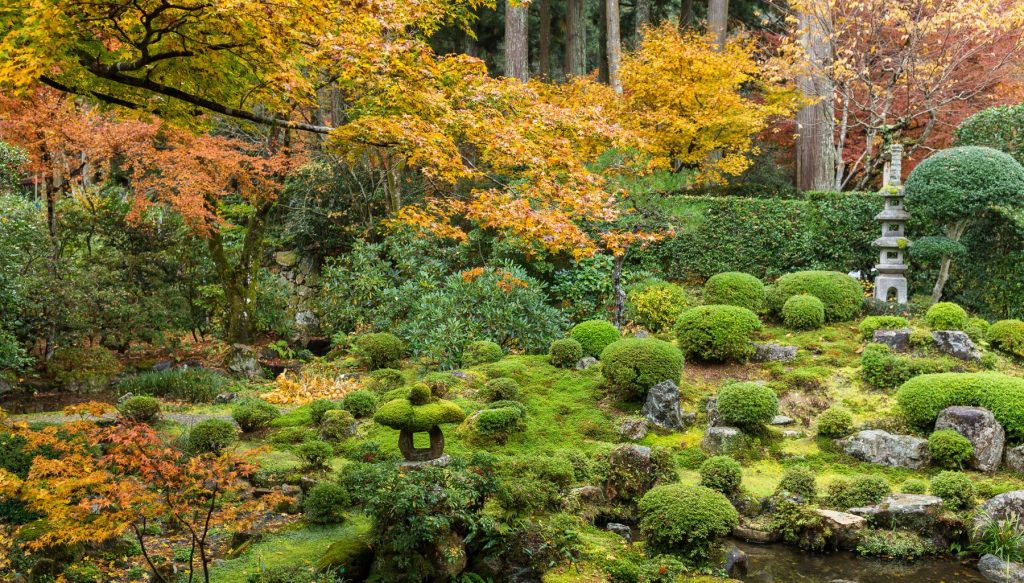
In this article, you can learn how to use moss in garden designs. First, we will help you understand the impact of moss plants in garden landscapes, we will explain how to incorporate moss in the garden before we talk about more advanced garden concepts. The last three chapters will how you can create your […]
Category Archives: blog
In this article, we’ll answer the question ‘What is moss?’ by covering their basic biology and ecology, how you can identify them, we’ll cover different types of mosses and their adaptations, and finally we’ll explain the role they play in nature and conservation. Reading this before planting something? The twelve species we supply are listed […]
Tree Moss is scientifically known as Anomodon attenuatus, but is also known by other common names such as Tree Apron Moss, Tree Skirt Moss, Poodle Moss, or Anomodon Moss. This moss species can be found on tree trunks where it creates a lush, green apron around them. Below, we will cover the scientific name, synonyms […]
Sphagnum moss is the common name for an entire genus, Sphagnum, which contains roughly 380 species. This article covers one of them, Sphagnum platyphyllum, the flat-leaved peat moss. All of them play the same important role in forming peat bogs and wetland ecosystems. It is a popular moss because of its practical applications of Sphagnum […]
Fern Moss is the common name for the moss species Thuidium delicatulum and is known for its delicate fern-like appearance. Other common names are Fern-like Thuidium, Delicate Thuidium, Delicate Fern Moss, Delicate Thuidium Moss, Feather Moss and Common Fern Moss. It is often used in garden landscapes in shade to part shade with high moisture […]
Spanish Moss (Latin name: Tillandsia Usneoides) is a beautiful hanging moss that grows upon large trees and is native to the south. Spanish moss doesn’t harm a tree but it can become very heavy which can break a strain. In this article we’ll cover the following topics; Sit back and relax while we tell you […]
All mosses can be classified into two types: Acrocarpous and Pleurocarpous. Below we explain the difference between these two types of mosses. The practical reason this distinction matters: acrocarps want to dry out between waterings and pleurocarps want steady moisture. Plant them together on one watering schedule and you lose half of them. Pleurocarps also spread […]
Moss grows beautifully for years, then suddenly turns black. It happens from the bottom up, and sometimes parts die altogether. The moss is close to a pond or is part of a (moss) terrarium. Do you recognize this problem? Brown is not black. Brown and flat is dormancy and it recovers within minutes of watering. […]
If you have a shady area in your garden that is too moist for grass, you might want to consider growing moss between the flagstones. It will create a beautiful patio. Below is a guide on growing moss between flagstones. Growing moss between dry-set flagstone in a shady area is a natural combination. Left alone […]
Moss can be lifted and moved by scooping, scraping or raking, and the right technique depends on the type of moss. Acrocarpous mosses is best lifted after rainfall with the scooping technique. Pleurocarpous mosses can be collected by scooping, scraping, or raking. First, where is the moss coming from? These techniques are for moving moss […]


